


Why Japan Has Temporarily Halted Indian Mango Imports?
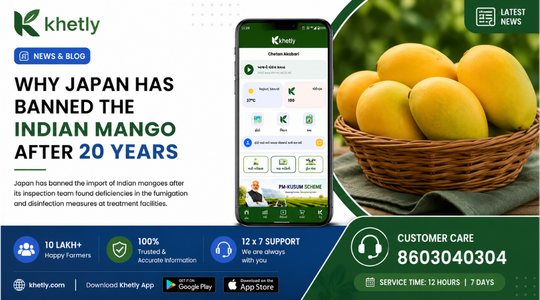
Why Japan Has Temporarily Halted Indian Mango Imports?
India is one of the world’s largest mango producers, known globally for premium varieties like Alphonso, Kesar, and Banganapalli. Every year, Indian mangoes are exported to many countries, including Japan.
However, Japan has recently suspended mango imports from India after inspection teams found irregularities in fumigation and disinfection procedures at export facilities.
What Is the Main Issue?
Before mangoes are exported, they must go through a special quarantine treatment process called Vapour Heat Treatment (VHT). This process helps protect fruits from harmful pests, especially fruit flies.
Japanese inspection authorities reportedly identified deficiencies in how some treatment facilities were operating. Because Japan follows very strict import and food safety standards, the country decided to temporarily stop imports until compliance issues are resolved.
Why Is Vapour Heat Treatment Important?
VHT is a non-chemical process where mangoes are exposed to controlled heat and humidity. This treatment:
- Eliminates pests and larvae
- Prevents fruit fly infestation
- Ensures export-quality fruit
- Meets international quarantine standards
Countries like Japan maintain zero tolerance for quarantine pests, making this process extremely important for exporters.
Impact on Indian Exporters
The suspension may affect:
- Mango exporters
- Treatment facility operators
- Farmers growing export-grade mangoes
Japan is considered a premium-value market, and interruptions can impact business confidence and export earnings.
Is This the First Time?
No. A similar restriction had been imposed decades ago due to fruit fly concerns. After improvements in treatment systems and export protocols, exports resumed again.
What Happens Next?
Indian authorities and exporters are expected to work closely with Japanese officials to improve compliance and restore confidence in the export process.
Possible steps include:
- Stricter monitoring of treatment facilities
- Improved quality checks
- Better documentation and inspection systems
- Training for export operators
What Farmers Should Understand
This issue is not about mango quality alone. In export markets, proper post-harvest handling, pest control, traceability, and international compliance are equally important.
As global agricultural trade grows, maintaining international standards becomes essential for long-term export success.
Stay connected with Khetly for agriculture updates, farming insights, export news, and practical guidance for Indian farmers.